
Short-Term Medical Insurance
Short-term medical insurance provides temporary health coverage during job changes, waiting periods, or coverage gaps.

Bridge the gap between major medical plans
Flexible Coverage When You Need It Most
Short-term medical insurance provides temporary health coverage if you are between jobs, waiting for employer benefits to begin, or outside of Open Enrollment for ACA coverage. I help you review short-term plan options in Wisconsin so you can secure protection during coverage gaps without overcommitting to long-term plans.
Service Details
Short-term medical insurance is designed to provide temporary health coverage during transitional periods. If you’ve recently left a job, missed Marketplace Open Enrollment, are waiting for employer benefits to start, or need a flexible alternative for a limited time, short-term coverage can serve as a practical solution.
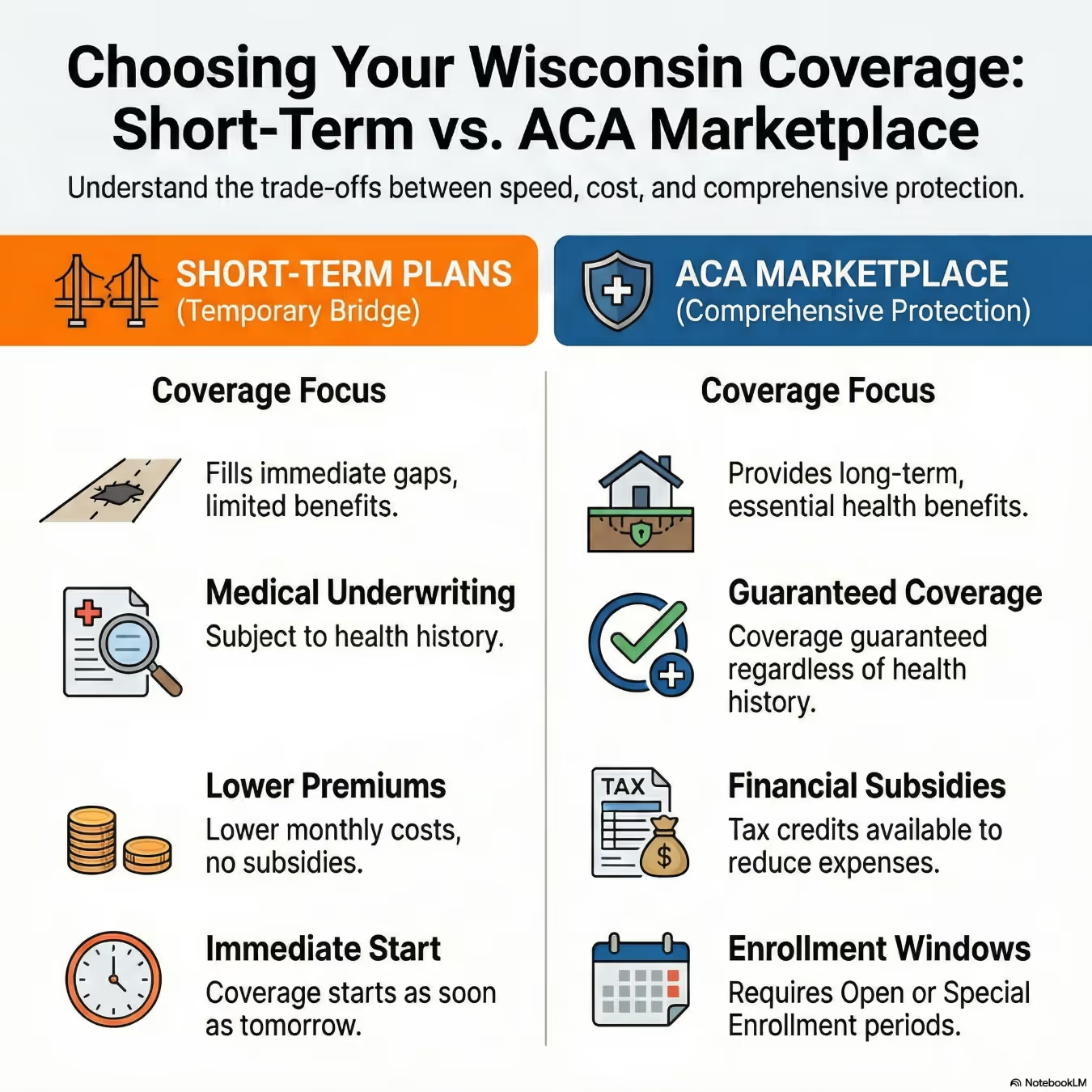
Unlike ACA Marketplace plans, short-term medical plans are not required to cover all essential health benefits and typically involve medical underwriting. This means eligibility may depend on your health history, and coverage details vary by carrier. Because of these differences, it’s important to understand exactly what the plan covers—and what it does not—before enrolling.
Short-term medical plans often cover services such as doctor visits, urgent care, emergency room treatment, hospitalization, and some prescription medications. They are structured to help protect you from large, unexpected medical expenses rather than provide comprehensive, long-term coverage.
One of the primary advantages of short-term medical insurance is flexibility. These plans can often begin quickly—sometimes as soon as the next day—and may last several months, depending on state regulations and plan availability. This makes them useful if you need immediate coverage or a temporary solution while deciding on a longer-term strategy.
Cost structure is another factor many people consider. Short-term plans typically have lower monthly premiums compared to comprehensive major medical coverage. However, they may include higher deductibles and specific coverage limits. I help you review the details carefully so you understand the trade-offs and can determine whether the plan fits your short-term needs.
Because short-term medical insurance is not ACA-compliant, it does not qualify for premium tax credits and does not guarantee coverage for pre-existing conditions. For some individuals, this may be acceptable during a temporary gap. For others, a Marketplace plan may be the better option. I help you compare both approaches so you can make an informed decision based on your timeline, health history, and budget.
Short-term coverage can also be paired strategically with supplemental insurance to add protection against accidents, hospital stays, or unexpected medical bills. If additional safeguards would benefit you, I can help you evaluate those options as well.
There is no additional cost to work with me. I am compensated by insurance carriers, allowing me to focus on helping you choose coverage that fits your immediate situation without unnecessary pressure.
If you need short-term medical insurance in Wisconsin to bridge a coverage gap, I provide clear explanations and practical guidance so you can move forward with confidence during life’s transitions.
You have questions, we have answers.
Don't see your answer here? View all FAQs
.svg)
Many people add supplemental coverage such as:
- Dental insurance
- Vision insurance
- Hospital indemnity plans
- Accident insurance
- Disability income protection
These plans can help reduce out-of-pocket costs if an unexpected medical event occurs.
Important tip: Short-Term Medical plans are intended as temporary protection, not a permanent replacement for comprehensive health insurance.
Many Short-Term Medical plans can begin within a few days of approval, making them useful for people who need immediate coverage.
Depending on the plan, coverage may exclude:
- Pre-existing conditions
- Maternity care
- Preventive care
- Mental health services
- Prescription drugs beyond limited coverage
Coverage varies by plan, but many Short-Term Medical plans include benefits for:
- Doctor visits
- Emergency room care
- Hospital stays
- Surgery
- Some prescription medications
No. Short-Term Medical plans are not ACA-compliant and may not cover all essential health benefits required under the Affordable Care Act. They are designed as temporary coverage rather than long-term comprehensive insurance.
Yes. Unlike ACA Marketplace plans, Short-Term Medical plans are available year-round, and coverage can often begin quickly after approval.
Generally, no. Most Short-Term Medical plans do not cover pre-existing conditions and may review medical history during the application process.
Coverage length varies by plan and state regulations. Plans are typically designed to provide temporary coverage for several months up to about a year. Some plans may allow renewals depending on state rules.
Short-Term Medical plans are commonly used by people who are:
- Between jobs
- Waiting for employer benefits to begin
- Recently graduated from college
- Self-employed and seeking temporary coverage
- Early retirees not yet eligible for Medicare
- Waiting for the next Open Enrollment period
Short-Term Medical insurance is temporary health coverage designed to fill gaps when someone needs insurance for a limited period of time. These plans provide basic medical protection for unexpected illnesses or injuries.